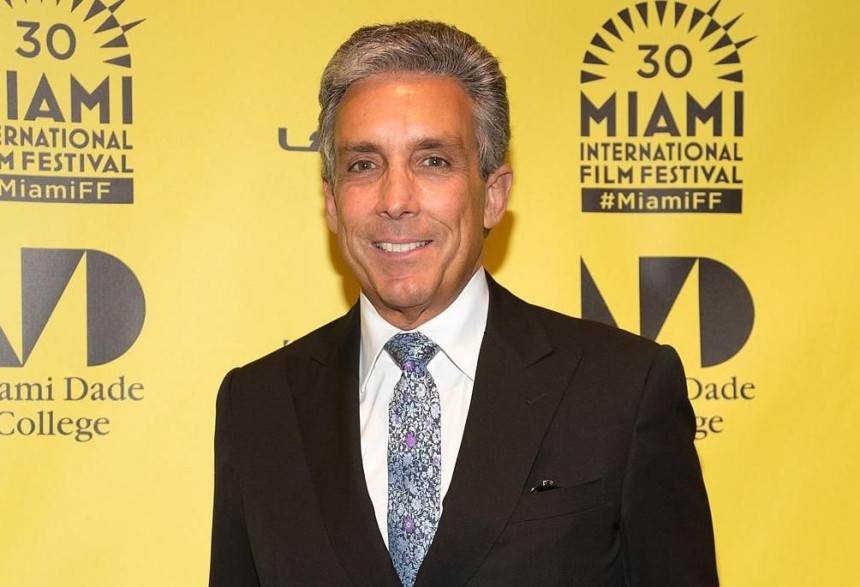

Why Is Billionaire Charles Cohen Being Sued?
So, why is billionaire Charles Cohen being sued? The short answer: a half-billion-dollar loan default, aggressive asset seizures by creditors, and court rulings that have left little room for escape.
Click Here To Join Our Mailing List For Credit & Money Tips!
Charles S. Cohen is no stranger to the high-stakes world of real estate and film. As the CEO of Cohen Brothers Realty and founder of the Cohen Media Group, he has cultivated a legacy that spans commercial properties, luxury cinemas, and prestigious art film distribution. However, in recent years, the billionaire mogul has been thrust into the spotlight for all the wrong reasons namely, a massive legal battle that could cost him his empire, his assets, and his reputation.
So, why is billionaire Charles Cohen being sued? The short answer: a half-billion-dollar loan default, aggressive asset seizures by creditors, and court rulings that have left little room for escape. The longer story involves luxury assets, personal guarantees, pandemic-era real estate struggles, and high-level legal drama.
The Beginning of the Financial Crisis
In September 2022, Charles Cohen’s firm, Cohen Realty Enterprises, secured a staggering $535 million loan from Fortress Investment Group. The loan was backed by a range of commercial properties, including high-profile real estate in Manhattan, Fort Lauderdale, and other markets. As is standard with high-risk lending, Cohen personally guaranteed about $187.2 million of the debt.
For a while, things appeared business-as-usual. But behind the scenes, cracks were forming. Office buildings were struggling with occupancy post-COVID, revenues from his movie theater and film ventures were stagnating, and interest rates were climbing. All these factors culminated in Cohen defaulting on the loan in March 2024. This default triggered a rapid and aggressive legal response from Fortress.
Fortress Strikes Back
Once Cohen defaulted, Fortress accelerated the loan, invoking the personal guarantee clause and filing lawsuits to recover the full $187 million directly from Cohen’s personal fortune, not just business assets. Fortress took this battle to New York State Supreme Court, where it sought summary judgment to begin seizing Cohen’s wealth. And they didn’t hold back.
What’s Being Seized?
With the court siding largely with Fortress, they began targeting Cohen’s most prized possessions, many of which have little to do with commercial real estate:
- A $50 million, 220-foot superyacht docked in Italy
- A fleet of luxury Ferrari cars
- A world-class wine collection
- Fine art and high-end collectibles
- A luxurious estate in Greenwich, Connecticut
- A historic château in Provence, France
These weren’t just symbolic seizures. These were real, court-authorized asset grabs intended to satisfy Cohen’s personal debt obligation. And because the loan was recourse-based, Cohen couldn’t hide behind corporate structures. His personal fortune was fair game.
The Legal Defense
Cohen, for his part, isn’t going down quietly.
His legal team claimed that an informal email agreement in December 2023 had effectively extended or modified the terms of the loan. They argued that this side arrangement gave him more time or changed the payment structure in a meaningful way. But the courts disagreed strongly.
In October 2024, a New York judge ruled that private emails and informal communications didn’t alter the binding legal terms of the original agreement. That decision was affirmed again in February 2025 by the Appellate Division, cementing Fortress’s legal position and accelerating asset seizure efforts.
Cohen also claimed that his recent financial moves such as transferring properties or shifting ownership structures were part of routine estate and tax planning, not an attempt to shield assets from Fortress. But creditors saw it differently. They argued these moves were deliberate efforts to hide wealth and stall repayment.
The Bigger Picture: How Did This Happen?
To understand how a billionaire like Cohen got here, we need to examine a few key trends:
1. The Real Estate Crunch
Much of Cohen’s wealth is tied to commercial real estate, particularly office buildings and design centers. The pandemic reshaped this sector dramatically. Work-from-home and hybrid work arrangements gutted office occupancy rates, while rising interest rates made refinancing difficult.
That meant less cash flow, lower property values, and increased loan pressure.
2. The Personal Guarantee Trap
Many real estate moguls avoid recourse loans, which hold the borrower personally liable. But in this case, Cohen personally guaranteed a sizable portion of the Fortress loan, likely to secure better terms or higher leverage. Once the business defaulted, Fortress had the legal right to pursue Cohen’s private fortune. That’s a high-risk gamble, and in this case, it backfired spectacularly.
3. Asset-Rich, Cash-Poor
On paper, Cohen remains fabulously wealthy. His real estate empire, art, cars, yachts, and wine collections are worth millions. But these are illiquid assets. Without sufficient cash flow to service debt, and with the courts siding against him, he now faces the forced sale of some of his most iconic holdings.
Cohen Fights Back
Charles Cohen isn’t just defending himself in court, he’s on the offensive too. He’s filed legal challenges against Fortress, accusing them of:
- Harassment of him and his family
- Overly aggressive asset seizure tactics
- Attempting to freeze personal and business accounts prematurely
- Subpoenaing relatives and financial advisors
His team argues that Fortress is using heavy-handed tactics to force a fire sale of valuable, carefully acquired assets. They’re seeking to stall the seizures, reverse the court judgments, or at the very least, negotiate a more favorable settlement.
But so far, the courts haven’t been sympathetic. The legal momentum remains firmly in Fortress’s favor.
What Happens Next?
Here’s what’s on the horizon for Charles Cohen:
1. Forced Sales Continue
Auctions for properties in Connecticut, Florida, and even France are underway or being prepared. The yacht and cars are also likely to be sold at international auction houses.
2. Asset Liquidation to Repay Fortress
The ultimate goal for Fortress is to recoup the $187 million personal guarantee. Whether Cohen’s liquidated assets can meet that target is still unknown but even if they come close, the damage to his legacy is already done.
3. Potential Bankruptcy?
Cohen hasn’t filed for personal bankruptcy yet. But depending on how much of his wealth Fortress can seize, and whether any future legal appeals are successful, it’s a possibility looming in the background.
4. Last-Minute Settlements?
As of July 2025, there are reports suggesting that Cohen may be trying to negotiate a lump-sum settlement or structured payment plan to stop the bleeding. But that would require Fortress to accept less than the court-mandated amount something they haven’t indicated willingness to do.
Why This Case Matters
The saga of Charles S. Cohen is more than just a juicy billionaire downfall. It’s a cautionary tale for high-net-worth individuals, investors, and business owners about:
- The risks of personal guarantees
- The volatility of commercial real estate post-pandemic
- The dangers of relying too heavily on illiquid luxury assets
- The power creditors wield in court when default hits
It also shows how quickly fortunes can turn. Cohen was once expanding into international cinema chains, collecting rare wines, and cruising the Mediterranean on a mega-yacht. Today, he's battling to keep those very things from the auction block.
Will He WIN?
Charles S. Cohen’s legal troubles stem from a financial gamble gone wrong, and the hardball tactics of a lender determined to get paid. Fortress Investment Group has made it clear: default has consequences, especially when personal guarantees are involved.
As of now, Cohen is fighting for both his fortune and his future. Whether he can salvage either remains uncertain. But one thing’s for sure: this case will be studied for years to come as an example of how even billionaires can face the full weight of financial failure and the legal system that enforces it.